Culture & Friendship: How Understanding Cultures Builds Stronger Online Connections
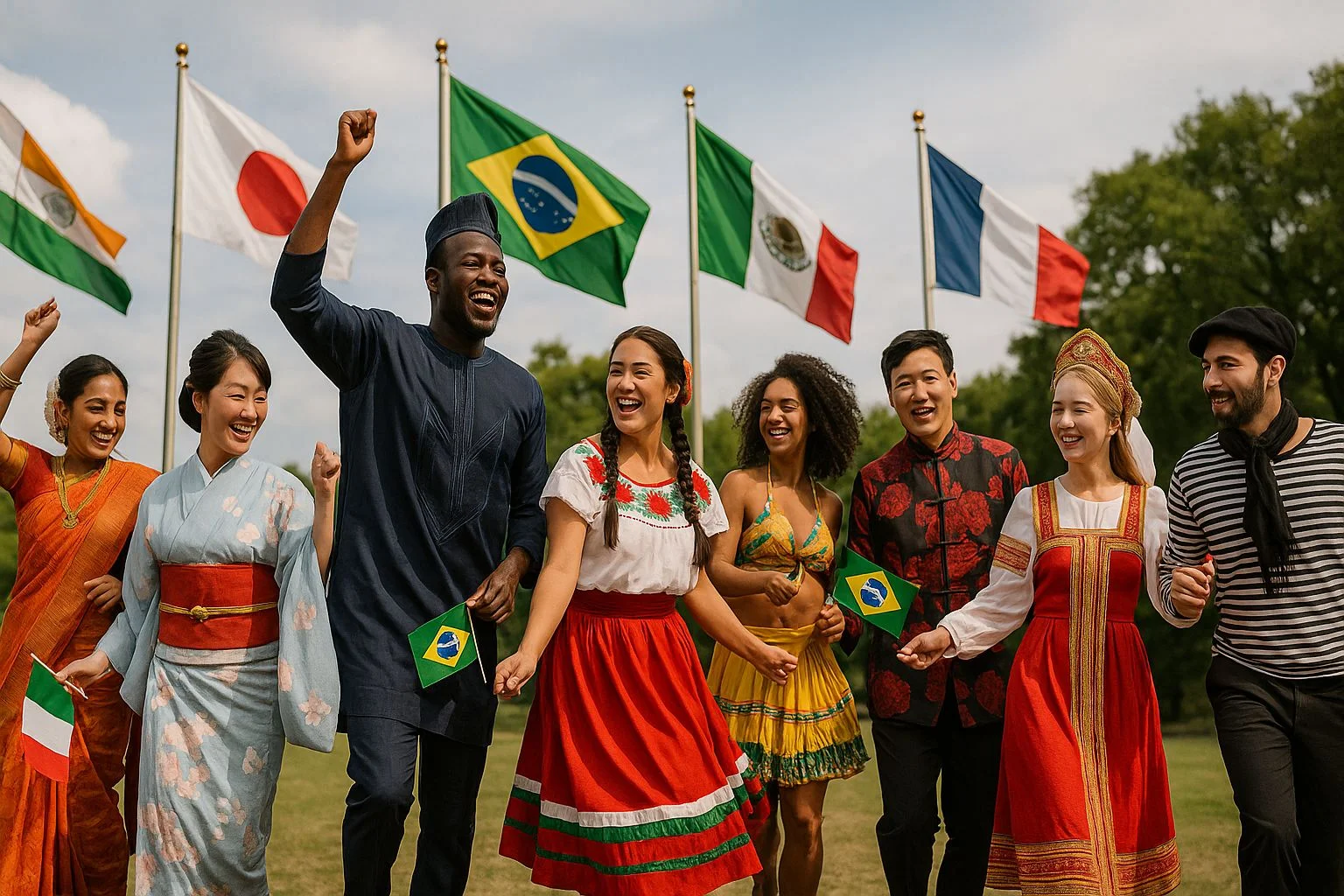
Introduction: Why Culture Matters in Friendship
We live in a world where a message can travel faster than a smile. In just a few seconds, you can connect with someone thousands of miles away through a platform like Wakiee. But while technology bridges distances, understanding culture can bridge hearts. The key to meaningful international friendships isn’t just communication — it’s cultural understanding.
Culture shapes how we speak, think, laugh, and show kindness. It influences what we find funny, how we express gratitude, and how we react to disagreement. When you build friendships online across cultures, recognizing these differences turns a simple chat into a meaningful human connection.
This article explores how understanding cultural diversity enhances friendships — especially in online spaces where tone, gestures, and emotions are often digital. Whether you use the service to talk to strangers online, learn new languages, or make international friends, learning how culture shapes relationships will help you connect more deeply and respectfully.
1. Understanding Culture: The Invisible Bridge Between People
Culture is not just about festivals, clothes, or cuisine. It’s the shared system of values, habits, and communication styles that define how a group of people relate to the world. When two people from different cultures talk online, they bring their unique worldview into the conversation.
Culture Shapes Communication
Communication styles can differ in how directly people express opinions, how much meaning is conveyed through context, how comfortable they are with pauses, and how openly they display emotion. These patterns can be influenced by culture, but they also vary from person to person.
Instead of assuming that someone will communicate a certain way because of their nationality, pay attention to the individual. If a person prefers short, direct answers, adapt to that. If they take longer pauses or communicate more indirectly, give them time and ask for clarification when necessary.
The goal is cultural awareness without turning cultural patterns into stereotypes.
The Hidden Meanings of Everyday Gestures
Something as small as a nod, a pause, or a smile can have different meanings across the world. A long pause in a Western context may seem awkward, but in many Asian cultures, it shows thoughtfulness. The more you notice these cues, the more skilled you become at reading people across screens.
Communication Cues to Watch For
When talking with someone from a different background, several parts of communication can provide useful clues. None of these signals has one universal meaning, so use them as prompts to observe and ask rather than as fixed rules.
| Cue | What you might notice | Better response |
|---|---|---|
| Pauses | The person takes time before answering | Wait rather than immediately filling the silence |
| Tone | The person's tone may sound more serious or energetic than yours | Consider context before interpreting emotion |
| Gestures | A gesture may be unfamiliar | Ask what it means instead of assuming |
| Eye contact | The amount of eye contact differs | Don't automatically interpret it as confidence or disrespect |
| Humor | A joke may not receive the reaction you expected | Move on or clarify rather than forcing the joke |
2. Friendship Across Cultures: Similar Goals, Different Paths
Despite our differences, friendship has universal ingredients: trust, kindness, humor, and shared experiences. But how those values are expressed varies by culture. Understanding these differences helps you adapt and avoid miscommunication.
Individualist vs. Collectivist Perspectives
Researchers sometimes use concepts such as individualism and collectivism to study how societies may differ in the relative importance they place on individual goals, group relationships, and social obligations. These concepts can help explain broad patterns, but they do not predict how a particular person will behave.
| Possible tendency | How it may appear in friendship | What to remember |
|---|---|---|
| Greater emphasis on individual goals | Friendship may develop around shared interests or personal compatibility | Individual people still differ greatly |
| Greater emphasis on group relationships | Family, community, or existing relationships may play a stronger role | This does not mean every person has the same priorities |
| Mixed influences | A person may value both independence and close group relationships | Most real people cannot be reduced to one cultural category |
Practical takeaway: use cultural frameworks to become more aware, not to predict someone's personality. Ask the person what matters to them rather than assuming their nationality gives you the answer.
How Friendship Is Defined Differently
In some cultures, calling someone a “friend” may happen quickly after a few pleasant chats. In others, it takes time and consistency. Being aware of this helps you respect personal boundaries while building lasting connections.
When I first started using this platform, I chatted with users from South Korea who initially seemed formal. But over several conversations, their warmth and humor emerged. They later told me that patience shows sincerity — a valuable cultural insight that reshaped how I view friendship. If you want to talk to people around the world , this guide can help.
Culture Influences People — But It Does Not Define Them
One of the easiest mistakes in cross-cultural friendship is replacing one stereotype with another. Learning that a cultural pattern exists does not mean that every individual follows it.
| Instead of thinking... | Try thinking... |
|---|---|
| "People from this country are quiet." | "This person seems to prefer quieter conversations." |
| "People from this culture are very direct." | "This person communicates directly." |
| "Everyone celebrates this tradition." | "I wonder whether this tradition is important to this person." |
| "They don't like this topic because of their culture." | "Maybe this person has a personal reason for avoiding this topic." |
The most useful cultural skill is therefore not memorizing hundreds of rules. It is learning to notice differences, ask respectful questions, and remain willing to update your assumptions.
3. How Cultural Understanding Strengthens Online Friendships
Online friendships often begin quickly — a click, a greeting, and you’re talking. But keeping those friendships alive requires empathy. Cultural understanding plays a central role in maintaining harmony and mutual respect.
Respect Builds Safety
When you acknowledge another person’s traditions or beliefs, they feel safe to share more of themselves. For instance, asking “How do people in your country celebrate birthdays?” shows curiosity without intrusion. Such respectful questions create emotional safety and stronger bonds.
Empathy Reduces Misunderstanding
Miscommunication is inevitable online. Words can sound harsher in translation, and humor can misfire. Understanding that these issues are often cultural — not personal — allows you to forgive and move forward instead of reacting defensively.
Shared Learning Builds Connection
Cross-cultural friendship is a two-way education. You learn from your friend’s experiences, and they learn from yours. Over time, this shared learning creates mutual respect and admiration. On the website, many users join to exchange language or lifestyle tips, and those conversations often lead to deep, lasting friendships.
4. Practical Ways to Build Culturally Respectful Friendships Online
Start Conversations with Curiosity, Not Assumptions
Instead of assuming you know about a culture from movies or social media, ask genuine questions. Phrases like “I’ve always wanted to learn more about your country — what’s one thing you think outsiders misunderstand?” spark insightful discussions.
Questions That Encourage Cultural Exchange
The best cultural questions invite someone to share their own experience instead of asking them to speak for an entire country.
| Better question | Why it works | Avoid asking |
|---|---|---|
| "What's a food you personally recommend?" | Asks for personal experience | "What does everyone in your country eat?" |
| "Is that tradition important to you?" | Recognizes individual differences | "Does everyone there follow that tradition?" |
| "What's something outsiders often misunderstand about your country?" | Lets the person correct stereotypes | "Is it true that people there are all like X?" |
| "What music do you enjoy?" | Starts with an easy personal interest | Questions about sensitive personal information |
Be Mindful of Humor
Jokes can be powerful icebreakers or accidental insults. Avoid humor that targets religion, nationality, or appearance. Lighthearted humor about common human experiences (like daily habits or food) is safer and more relatable.
Respect Differences in Beliefs and Lifestyle
It’s natural to be curious about beliefs, but tread carefully. Avoid debating religion, politics, or deeply personal topics in early conversations. Over time, when trust is established, deeper discussions can happen naturally without conflict.
Practice Language Patience
When chatting with non-native speakers, listen patiently. Grammar mistakes don’t reflect intelligence — they show courage. Encourage your friends when they try new words, and don’t correct too often unless they ask. Similarly, let them help you with their language if you’re learning it.
One of my most memorable conversations on the platform was with a user from Turkey who taught me to say “Teşekkür ederim” (thank you). I replied with “Dhanyavaad” from Hindi. It was a small but beautiful moment of shared learning — and the start of a friendship built on respect.
5. Recognizing and Overcoming Stereotypes
Stereotypes are mental shortcuts — but they often lead to misunderstanding. Assuming someone behaves a certain way because of their nationality prevents genuine connection. True friendship starts when you see a person, not a passport.
Challenge What You Think You Know
If you realize you’re holding a stereotype, acknowledge it silently and choose curiosity instead. For example, not everyone in France loves wine, and not every American loves fast food. Each person’s individuality matters more than their label.
Learn from Real Conversations, Not Media
Television, news, and movies rarely portray full cultural truth. Talking directly to people gives you first-hand understanding. Use your time on the platform to ask open questions about culture, customs, and daily life. You’ll discover how much richer the world really is.
Why Individual Experience Matters
Cultural frameworks can help people notice differences in communication, but they should not be used as a substitute for getting to know an individual.
A person's behavior can be influenced by many factors besides nationality, including age, personality, education, location, family background, language ability, and personal experience. Direct conversation gives you information about the individual that broad cultural categories cannot provide.
Practical takeaway: use cultural knowledge to generate better questions, not to generate conclusions about the person before they speak.
6. Navigating Cultural Misunderstandings with Grace
Stay Calm and Clarify
If something feels off, ask for clarification instead of reacting emotionally. Say, “I might not understand correctly — could you explain what you meant?” This approach prevents unnecessary offense and promotes learning.
Apologize When Needed
If you accidentally offend someone, apologize sincerely and briefly. A simple, “I’m sorry, I didn’t mean that in a negative way,” goes a long way. Friendships survive mistakes when humility leads the way.
Learn from Every Misstep
Every misunderstanding is a chance to grow culturally. Reflect on what went wrong and how you can adapt next time. Cultural competence is learned gradually, not instantly — and every genuine effort matters.
7. Why Respectful Online Friendships Enrich Your Life
Making friends across cultures isn’t just fun; it’s transformative. It widens your perspective, challenges your assumptions, and strengthens empathy. You begin to see the world not as “us vs. them” but as a shared human experience.
Broader Worldview
Talking to people from different backgrounds exposes you to new ideas, lifestyles, and philosophies. You understand how culture influences behavior — and how, deep down, everyone seeks connection, safety, and happiness.
Improved Communication Skills
Cross-cultural conversations train you to choose words carefully, listen actively, and express empathy clearly. These are valuable skills not just for online friendships but also in professional and academic environments.
Research Insight: Real-Time Conversation Requires Active Problem-Solving
Second-language conversations are different from simply studying vocabulary because speakers have to solve communication problems in real time.
Research on synchronous online language exchanges has found that learners commonly use clarification requests, help requests, and self-correction when they encounter difficulty. These behaviors allow participants to negotiate meaning and continue communicating.
This makes international conversation useful as a practice environment for listening, responding, asking for clarification, and adapting language to another person. It should complement structured learning rather than replace it.
Research source: Smith, B. (2003), Synchronous online exchanges: a study of modification devices on non-native discourse , System, 30(3), 275–288.
Personal Growth and Emotional Intelligence
As you meet people from around the world, you naturally develop patience and adaptability. You learn to respect difference without losing your own identity — a hallmark of emotional maturity.
8. Using the Platform to Build Meaningful Cross-Cultural Friendships
Platforms like this exist to connect the world through genuine human conversation. By matching users randomly, it removes barriers of bias and status — letting curiosity lead the way.
Smooth and Respectful Environment
The service uses moderation tools and community guidelines to promote safer interactions. Users are encouraged to report inappropriate behavior, helping keep the community a positive space for cultural exchange.
Practical Safety Rules for New Online Friendships
Cultural exchange is more useful when users also protect their privacy. You can be open and friendly without giving a new online acquaintance access to sensitive information.
| Situation | Safer approach |
|---|---|
| Someone asks for your home address | Do not share it; keep location information general |
| Someone asks for passwords or financial details | Never share credentials, banking information, or security codes |
| Someone asks for money | Do not send money to someone you only know online |
| Someone pressures you to continue talking | End the conversation or use available block/report controls |
| Someone requests intimate photos | Do not send them; end or report the interaction |
Learning Through Dialogue
Many users join this website to practice languages or learn about foreign customs. When they talk with strangers, they can gain a better understanding of different cultures. These experiences aren’t just educational — they’re personal. Every chat can teach you something new about empathy and global friendship.
Encouraging Diversity
Unlike social media, which often connects you with similar people, random video chat platforms expose you to diverse backgrounds. This diversity fosters tolerance and mutual appreciation — the essence of peace in a digital age.
9. The Future of Cross-Cultural Friendship
As technology evolves, human connection must evolve too. Artificial intelligence, translation tools, and immersive video chat experiences will make it easier to overcome language barriers. But one thing technology can’t automate is empathy.
Empathy will always be the human core of communication. Whether through a voice call or a digital avatar, the principles of respect, patience, and curiosity will define the next generation of friendships.
The service’s mission aligns with this future — to make cultural exchange accessible, safe, and enriching for everyone who seeks genuine global connection.
Conclusion: Friendship Without Borders
Understanding culture is not about memorizing rules; it’s about caring enough to learn how others see the world. When you build friendships online across cultures, you don’t just learn geography — you learn empathy, adaptability, and respect.
Every “hello” on the website is a small step toward global harmony. Every question asked with curiosity strengthens humanity’s bridge. Technology gave us the tools — but it’s our understanding that keeps the bridge standing.